

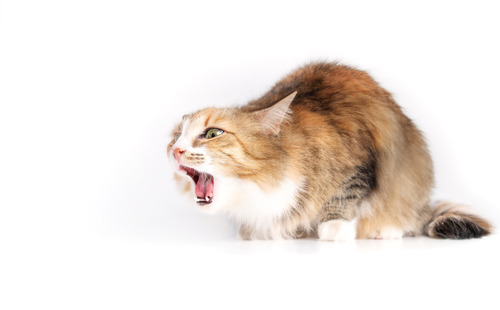
When a cat starts coughing, it can be concerning for any pet owner. Cat coughing may result from something as simple as an irritant in the air or as complex as a respiratory illness. Coughing is a reflex that helps clear the airways, but persistent or recurring coughing can indicate an underlying problem. Understanding what triggers cat coughing, how to recognize the signs, and what treatment options are available can help you take the right steps for your pet’s health.
At Park Veterinary Hospital in Fort Lauderdale, FL, our veterinary team can help determine what’s causing your cat’s cough and provide the appropriate care. If your cat has been coughing frequently, call us at (954) 561-8387 or book an appointment online today.
Why Is My Cat Coughing?
Cats cough for many reasons, and it’s not always a cause for alarm. A single cough here and there might just be a reaction to dust or hair in the throat. However, ongoing or severe coughing can suggest an issue that needs professional attention. Common causes of cat coughing include allergies, infections, asthma, parasites, and inhaled irritants. Each of these affects the respiratory system differently, so identifying the cause is key to finding the right treatment.
Causes of Cat Coughing
There are several health conditions and environmental factors that can lead to cat coughing. Some are mild, while others require veterinary attention.
Hairballs
While not a true cough, hairballs often make cats sound like they’re hacking or gagging. As cats groom, they ingest loose fur, which can accumulate in the stomach. When they try to expel it, the sound can easily be mistaken for coughing. If this happens frequently, it could be worth discussing with your veterinarian.
Asthma and Allergies
Feline asthma is a common cause of chronic cat coughing. Similar to asthma in people, it involves inflammation and narrowing of the airways, making it hard for your cat to breathe. Allergens like pollen, dust, mold, or cigarette smoke can trigger these symptoms. Cats with asthma might also wheeze or breathe rapidly.
Respiratory Infections
Upper respiratory infections can make cats cough, sneeze, or develop nasal discharge. These infections are often caused by viruses like feline herpesvirus or calicivirus. Younger cats, or those that haven’t been vaccinated, tend to be more at risk.
Parasites
Certain parasites, like lungworms or heartworms, can cause cat coughing. Lungworms affect the respiratory system directly, while heartworms can cause coughing when they impact the lungs and heart. These conditions are more common in areas where mosquitoes are prevalent—like Fort Lauderdale.
Inhaled Irritants
Household irritants can also trigger cat coughing. Common culprits include perfumes, aerosol sprays, cleaning products, and secondhand smoke. Cats are especially sensitive to strong scents and airborne chemicals, which can irritate their lungs.
Recognizing the Signs That Accompany Cat Coughing
Because cats tend to hide illness, subtle symptoms can easily go unnoticed. Watching for additional signs can help you determine if the coughing is part of a larger problem.
Behavioral and Physical Signs
Cats with respiratory issues may become lethargic, eat less, or seem more withdrawn. You might notice them breathing with their mouth open, wheezing, or crouching with their neck extended to breathe more easily. A chronic cough, especially one that sounds dry or comes in fits, could signal asthma or infection.
Frequency and Duration of the Cough
Occasional coughing may not be a concern, but frequent episodes, particularly over several days, deserve attention. If your cat coughs after activity or during certain times of day, note these patterns, as they can help your veterinarian determine the cause.
Pinpointing the Reason Behind Your Cat’s Cough
Your veterinarian will start by gathering a detailed history, including when the coughing began, how often it occurs, and any changes in your cat’s environment. Because cat coughing has many possible causes, a thorough examination is essential.
Physical Examination
Your veterinarian will listen to your cat’s lungs and heart to detect wheezing, fluid buildup, or irregular rhythms. They’ll also check for nasal discharge, eye irritation, and overall body condition.
Diagnostic Testing
If the cause isn’t clear, your veterinarian may recommend diagnostic tests such as:
- X-rays or chest radiographs to view the lungs and airways
- Bloodwork to detect infection or inflammation
- Fecal exams to check for parasites
- Allergy or heartworm testing depending on your cat’s symptoms
These tests help narrow down what’s causing your cat’s cough so your veterinarian can recommend appropriate treatment.
Treatment for Cat Coughing
Treatment for cat coughing depends on the underlying cause. Once your veterinarian identifies what’s triggering the cough, they can create a care plan to relieve symptoms and address the root issue.
Managing Environmental Triggers
If your cat’s coughing stems from allergens or irritants, environmental adjustments can help. Consider using air purifiers, switching to unscented cleaning products, and avoiding cigarette smoke around your pet. Keeping litter boxes clean and dust-free can also make a difference.
Medications
Cats with asthma may benefit from anti-inflammatory medications or bronchodilators to open their airways. If an infection is diagnosed, your veterinarian may prescribe antibiotics or antivirals. For parasitic causes, a deworming protocol may be necessary.
Long-Term Monitoring
Chronic cat coughing requires ongoing management. Your veterinarian may recommend regular checkups to monitor lung function and adjust medications as needed. Catching changes early can help prevent flare-ups and improve your cat’s comfort.
When Should You Call Your Veterinarian About Cat Coughing?
Occasional coughing isn’t always an emergency, but some symptoms should prompt an immediate call to your veterinarian. Contact Park Veterinary Hospital at (954) 561-8387 or book an appointment online if your cat:
- Coughs frequently or persistently for more than a few days
- Has difficulty breathing or breathes rapidly
- Stops eating or becomes lethargic
- Produces wheezing or gagging sounds
- Shows signs of distress when breathing
Because respiratory problems can worsen quickly, professional evaluation is always the safest step.
How to Support Your Cat’s Health Year-Round
Regular wellness visits play a major role in preventing and managing issues that cause cat coughing. Routine exams allow your veterinarian to listen to your cat’s lungs, check for parasites, and identify potential problems before they become serious. Keeping up with vaccinations and parasite prevention also helps protect your cat from respiratory infections and other conditions that lead to coughing. Maintaining a clean, low-stress home environment contributes to healthier lungs and a more comfortable life overall.
If your cat has been coughing, schedule an appointment at Park Veterinary Hospital in Fort Lauderdale, FL. Our caring team can help identify the cause and develop a treatment plan tailored to your cat’s needs. Call (954) 561-8387 or book an appointment online today to get started.