
It’s not uncommon to hear a dog let out an occasional sneeze, but when it happens more often than usual, pet owners start to wonder if something is wrong. In most cases, dog sneezing is a normal response to irritants like dust or pollen. However, frequent or intense sneezing can sometimes point to an underlying issue that needs a veterinarian’s attention. If you’re ever unsure whether your dog’s sneezing is normal, the team at Park Veterinary Hospital in Fort Lauderdale, FL, can help. Call (954) 561-8387 or book an appointment online today to have your pet examined by an experienced veterinarian.
Why Is My Dog Sneezing A Lot?
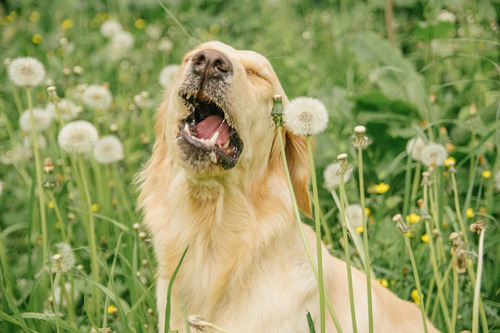
Sneezing is a natural reflex that helps clear a dog’s nasal passages of dust, pollen, and other irritants. Just like people, dogs sneeze to expel something that doesn’t belong in their nose. This can include particles from the air, household cleaning products, or even fur that’s been kicked up during play.
In most cases, a sneeze or two here and there is nothing to worry about. Some dogs even sneeze when they’re excited or playful, it’s their way of communicating rather than a sign of illness. However, when sneezing becomes repetitive or is accompanied by other symptoms, it’s worth paying closer attention.
Common Everyday Triggers for Dog Sneezing
Several everyday factors can lead to mild, temporary sneezing episodes in dogs, such as:
- Dust and household allergens: Carpets, bedding, and air vents can release particles that irritate your dog’s nose.
- Perfumes or cleaning products: Strong scents and chemicals often cause sneezing fits.
- Outdoor pollen: Dogs that spend time outside in spring or fall may react to seasonal allergens.
- Playful behavior: Some dogs “play sneeze” when they’re excited during roughhousing with people or other pets.
When sneezing stops once your dog leaves the environment or calms down, it’s usually harmless.
When Frequent Dog Sneezing Becomes a Concern
Occasional sneezing isn’t alarming, but repeated sneezing throughout the day or sneezing accompanied by other changes could suggest something more. If your dog’s sneezing seems excessive or out of the ordinary, it’s time to look at what might be happening behind the scenes.
Possible Health-Related Causes of Excessive Sneezing
Some of the more concerning causes of frequent dog sneezing include:
- Nasal infections: Bacterial or viral infections can irritate the nasal passages, leading to ongoing sneezing and nasal discharge.
- Allergies: Dogs can develop allergies to pollen, mold, dust mites, or certain foods. Persistent sneezing may be one of several symptoms.
- Foreign objects: Grass seeds, foxtails, or small debris can get lodged in the nasal passages and cause repeated sneezing.
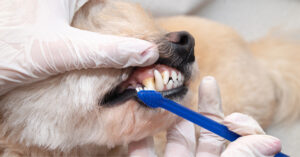
- Dental problems: Infections in the upper teeth can extend into the sinuses, triggering sneezing.
- Nasal mites: These tiny parasites can live in a dog’s nasal passages, causing irritation and frequent sneezing.
- Tumors or growths: While rare, masses in the nasal cavity can also lead to chronic sneezing.
If you notice blood in your dog’s nasal discharge, swelling around their nose, or changes in appetite or behavior, those are signs that your pet needs veterinary attention right away.
Allergies and Environmental Factors That Can Cause Dog Sneezing
Allergies in dogs are one of the most common reasons dogs sneeze more than usual. Environmental allergens can trigger the same immune response in dogs as they do in people, leading to sneezing, watery eyes, and nasal irritation.
Seasonal and Environmental Allergens
In Fort Lauderdale, dogs are often exposed to high humidity, mold spores, and pollen almost year-round. Grasses, trees, and flowering plants can all trigger allergy symptoms in sensitive pets. Even if your dog primarily stays indoors, allergens can enter your home through windows, shoes, or air vents.
Indoor Irritants That May Affect Your Dog
Sometimes the culprit isn’t outside, it’s inside your home. Air fresheners, candles, cigarette smoke, or cleaning sprays can irritate your dog’s nasal passages. Even scented detergents or certain fabrics may bother more sensitive pets. If you notice your dog sneezing more after a recent home cleaning or introduction of a new fragrance, environmental irritation could be the cause.
How Play Sneezing Differs from Illness-Related Sneezing
One of the more entertaining aspects of dog sneezing is the “play sneeze.” Dogs often do this when they’re happy or excited, particularly during playtime with people or other dogs.
What Is Play Sneezing?
Play sneezing is a light, harmless sneeze that occurs during social interactions. It’s not caused by nasal irritation but rather as a form of communication. Dogs sneeze to signal that their playful behavior is friendly and not aggressive. You’ll often see short, quick sneezes paired with wagging tails and playful bows.
How to Tell the Difference
If your dog only sneezes during play and shows no other symptoms, you don’t need to worry. However, if sneezing happens frequently outside of playtime, especially with nasal discharge, coughing, or pawing at the face, a vet visit is a smart next step.
What Your Dog’s Sneeze Sounds Like Can Tell You
Not all sneezes sound the same, and the way your dog sneezes can sometimes help identify the cause.
Typical Sneezing Sounds
A standard sneeze is quick and forceful, with air expelled sharply through the nose. These sneezes are usually single events or come in small bursts.
Reverse Sneezing
Reverse sneezing sounds different as it’s more of a snorting or gasping sound. Dogs experiencing reverse sneezing draw air quickly through their nose instead of pushing it out. It often looks dramatic but is generally harmless. Reverse sneezing is common in small breeds and brachycephalic (short-nosed) dogs, such as Pugs or French Bulldogs. If it becomes frequent or prolonged, it’s worth discussing with your veterinarian.
When It’s Time to Call Your Veterinarian About Dog Sneezing
While most sneezing is harmless, some cases require a professional evaluation. It’s best to reach out to your veterinarian if:
- The sneezing persists for more than a few days.
- You notice nasal discharge that’s thick, colored, or bloody.
- Your dog has trouble breathing, coughing, or wheezing.
- There’s swelling around the nose or face.
- Your dog is pawing at their face or rubbing their nose often.
Your veterinarian can perform an examination to identify what’s causing your dog’s sneezing. This may include checking for nasal obstructions, infections, or dental concerns. If your pet is sneezing excessively or showing additional symptoms, call Park Veterinary Hospital at (954) 561-8387 or book an appointment online to have them examined. Early evaluation can help address the problem before it worsens.
Why It’s Worth Monitoring Your Dog’s Sneezing Habits
Frequent sneezing may seem like a small issue, but it can reveal important clues about your dog’s health. Paying attention to how often your pet sneezes, what triggers it, and whether any other symptoms develop can help you determine when it’s time to seek care. Dogs sneeze for many of the same reasons people do—from dust and pollen to playful excitement—but persistent sneezing shouldn’t be ignored.
Your veterinarian can identify what’s causing the irritation and recommend an appropriate plan to help your dog breathe comfortably again. If your dog’s sneezing has become more frequent or seems unusual, schedule a visit with Park Veterinary Hospital in Fort Lauderdale, FL. Call (954) 561-8387 or book an appointment online today to give your pet the care they need.