
Bad breath in dogs is more than just an unpleasant greeting, it’s often your dog’s body signaling that something is wrong. From gum disease and tooth root infections to kidney failure and diabetes, the causes of dog bad breath range from the common to the serious, and some of them can quietly worsen without obvious symptoms beyond that tell-tale odor. If you’ve been writing off your dog’s halitosis as just a “dog thing,” this blog will change the way you think about it. At Park Veterinary Hospital in Fort Lauderdale, FL, our veterinary team sees the consequences of untreated dental and systemic disease every day and we want to help you stay ahead of it.
What Causes Bad Breath in Dogs?
The most common cause of bad breath in dogs is dental disease, but it’s far from the only one. Understanding what’s behind your dog’s halitosis is the key to addressing it effectively.
Dental Disease and Periodontal Problems
Periodontal disease is the number one cause of dog bad breath, and it’s extremely prevalent. Studies suggest that by the age of three, the majority of dogs have some form of dental disease. Bacteria accumulate in the mouth, forming plaque on the teeth and gums. Over time, plaque hardens into tartar, which causes gum inflammation, infection, and bone loss around the teeth. This bacterial activity produces sulfur compounds that cause the characteristic foul odor of dog halitosis.
Beyond the smell, periodontal disease causes real pain and health consequences for dogs. Left untreated, oral infections can allow bacteria to enter the bloodstream, potentially affecting the heart, kidneys, and liver. What started as bad breath in your dog can become a systemic health problem.
Other Oral Causes of Dog Bad Breath
Dental disease isn’t the only oral source of halitosis in dogs. Other mouth-related causes include:
- Oral tumors or growths — Masses in the mouth can create pockets where bacteria accumulate, causing a strong, unpleasant odor. Some oral tumors in dogs are malignant, making early detection critical.
- Tooth root abscesses — A severely infected tooth can produce significant localized odor and pain that worsens over time.
- Foreign bodies — Dogs sometimes get pieces of bone, sticks, or other materials lodged in their gums or between teeth, which can cause infection and bad breath.
- Stomatitis — Inflammation of the mouth’s soft tissue can cause chronic halitosis and pain.
Systemic Conditions That Cause Bad Dog Breath
Some causes of bad breath in dogs have nothing to do with the mouth at all. A number of serious systemic conditions present with characteristic breath odors that can clue veterinarians in to what’s happening internally:
- Kidney disease — When kidneys fail to filter waste effectively, toxins accumulate in the blood. Dogs with kidney disease often develop a distinctive ammonia-like or urine-like smell to their breath. If your dog’s bad breath smells like ammonia, this is a significant warning sign that requires prompt veterinary evaluation.
- Diabetes mellitus — Dogs with uncontrolled or undiagnosed diabetes may develop a sweet, fruity, or acetone-like breath odor caused by the production of ketones. This is a serious sign that warrants immediate veterinary attention.
- Liver disease — Liver dysfunction can cause a musty or foul odor, sometimes described as having a feces-like quality. This is associated with a condition called hepatic encephalopathy, in which toxins that the liver normally clears begin to affect the brain.
- Gastrointestinal issues — Conditions such as megaesophagus, acid reflux, or intestinal obstruction can cause undigested food or gas to produce odors that rise up and are detectable on the breath.
What Does Normal Dog Breath Smell Like?
Healthy dog breath doesn’t smell like roses, but it shouldn’t be strongly offensive either. Mild, unremarkable breath in a dog who eats a balanced diet and receives regular dental care is what’s considered normal. Puppies often have a sweet, milky breath that many owners describe as pleasant. A sudden change in breath odor, or persistent bad breath in a dog that wasn’t a problem before, is the most important thing to pay attention to.
How Is Dog Bad Breath Diagnosed?
Diagnosing the cause of halitosis in dogs begins with a thorough veterinary examination. At Park Veterinary Hospital, our veterinarians will conduct a complete physical exam, including an oral examination to assess the teeth, gums, tongue, palate, and throat for signs of dental disease, infection, or abnormal growths.
Depending on what the examination reveals, additional diagnostics may include blood chemistry panels and urinalysis to assess kidney and liver function, blood glucose testing to screen for diabetes, and dental X-rays to evaluate tooth root health beneath the gum line. A complete picture allows us to pinpoint the cause of your dog’s bad breath and develop the right treatment plan.
How Is Dog Bad Breath Treated?
Treatment for bad breath in dogs depends entirely on the underlying cause. There is no one-size-fits-all solution, and addressing just the odor without treating the root cause is ineffective and, in many cases, unsafe.
Dental Cleaning and Oral Care
If periodontal disease is causing your dog’s halitosis, a professional dental cleaning under anesthesia is typically the first step. This allows our veterinary team to remove tartar buildup above and below the gum line, probe for periodontal pockets, and extract any teeth that are too damaged to save. Our team at Park Veterinary Hospital is experienced in performing comprehensive dog dental cleanings and can walk you through what the procedure involves for your dog.
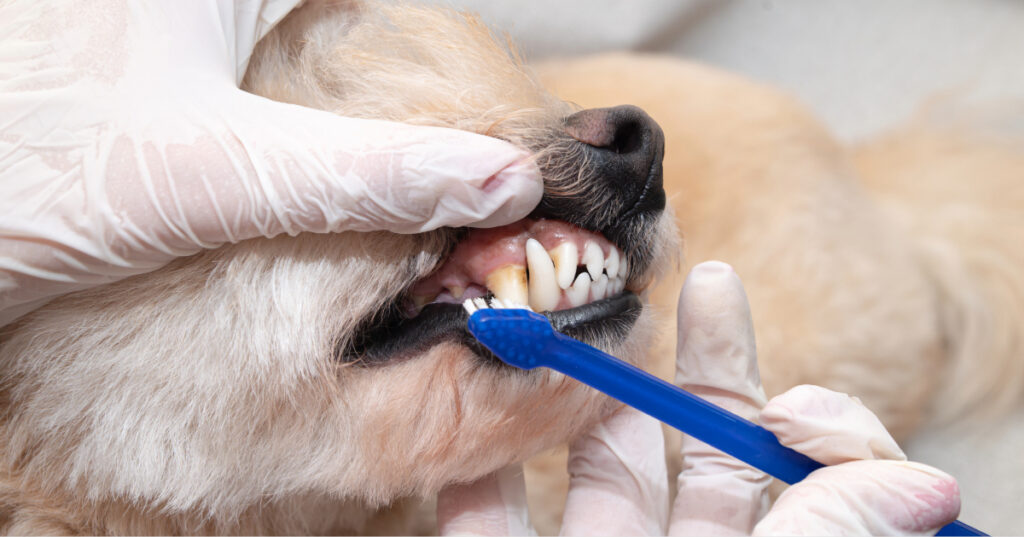
After a professional cleaning, ongoing home dental care is essential for preventing recurrence. Brushing your dog’s teeth regularly, using veterinary-approved dental chews, and scheduling annual dental exams are all part of a long-term strategy to prevent dog bad breath caused by oral disease.
Treating Systemic Disease
When dog bad breath is caused by kidney disease, diabetes, or liver disease, treating the underlying condition is the priority. These are serious, often chronic conditions that require ongoing veterinary management. If your dog’s breath smells abnormal in a way that doesn’t seem related to food or dental issues, don’t wait to schedule a comprehensive exam.
Can You Prevent Bad Breath in Dogs?
Many cases of dog halitosis caused by dental disease are preventable with consistent oral care. Here’s what veterinarians recommend:
- Brush your dog’s teeth regularly — Daily brushing is ideal, but even a few times a week makes a meaningful difference in reducing plaque buildup. Use only toothpaste formulated for dogs, as human toothpaste contains ingredients that are toxic to pets.
- Schedule annual dental exams — Regular professional examinations allow veterinarians to catch dental disease early, before it progresses to the point of causing significant damage. Park Veterinary Hospital recommends annual dental checkups as part of your dog’s routine wellness care.
- Use veterinary-approved dental products — There are a wide variety of dental chews, water additives, and oral rinses designed to support canine oral health. Not all products on the market are equally effective. Ask our team at Park Veterinary Hospital which products carry the Veterinary Oral Health Council (VOHC) seal of acceptance.
When Should I See a Vet About My Dog’s Bad Breath?
You should schedule a veterinary appointment any time your dog develops noticeably bad breath that doesn’t resolve on its own, especially if it comes on suddenly or smells unusually strong. Call Park Veterinary Hospital right away if your dog’s breath smells like ammonia, sewage, or has a sweet, fruity quality, as these specific odors can indicate kidney disease or diabetes respectively.
Also seek care promptly if your dog’s bad breath is accompanied by drooling, pawing at the mouth, visible swelling on the face or jaw, reluctance to eat, or changes in behavior. These signs suggest pain or a more serious condition that requires prompt evaluation.
Bad Breath in Dogs Deserves a Closer Look
Dog halitosis is one of those issues that’s easy to dismiss as a cosmetic problem, but it’s often a window into your dog’s overall health. From periodontal disease to kidney failure, the causes of bad breath in dogs run a wide spectrum, and some of them are serious. Our veterinary team at Park Veterinary Hospital in Fort Lauderdale is here to help you get to the bottom of what’s causing your dog’s breath issues and create a plan to address it. Call us at (954) 561-8387 or book an appointment online today.