

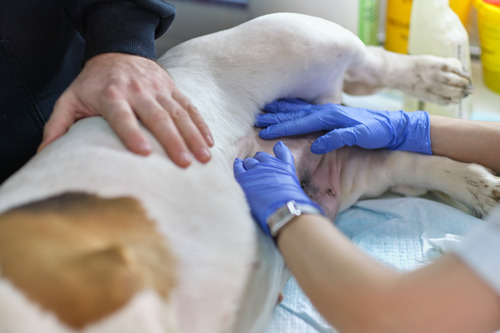
Pyometra in dogs is a serious and potentially life-threatening uterine infection that requires immediate veterinary attention. This condition occurs when bacteria invade the uterus, leading to pus accumulation and severe inflammation. Pyometra typically affects unspayed female dogs and can progress rapidly if not treated. Recognizing the early symptoms of pyometra in dogs can make a critical difference in your pet’s health and outcome.
What Is Pyometra in Dogs?
Pyometra in dogs develops due to hormonal changes in the reproductive cycle. After a heat cycle, a dog’s body prepares for pregnancy, even if mating doesn’t occur. The uterine lining thickens, and progesterone levels remain high. Over time, this environment can allow bacteria, usually E. coli from the dog’s own body, to grow inside the uterus. When infection takes hold, pus accumulates and the uterus becomes distended, leading to systemic illness. Pyometra most often occurs in middle-aged to older unspayed dogs, though younger females can also be affected. Without prompt veterinary care, this infection can cause sepsis, kidney failure, or rupture of the uterus, all of which can be fatal.
Common Causes and Risk Factors of Pyometra in Dogs
Pyometra in dogs can occur for several reasons, most of which are linked to hormonal cycles and reproductive history.
Hormonal Influence
The hormone progesterone plays a major role in pyometra development. High levels of progesterone during and after heat cause the uterine lining to thicken and reduce its ability to contract. This creates an ideal environment for bacteria to multiply.
Repeated Heat Cycles
Each heat cycle without pregnancy increases the risk of pyometra in dogs. The repeated hormonal fluctuations weaken the uterine defenses over time, making infection more likely.
Age and Reproductive History
Older unspayed dogs are at higher risk because their uterine tissue has experienced multiple hormonal cycles. The cumulative effect of these cycles increases vulnerability to infection.
Hormone-Based Medications
Some medications used to prevent pregnancy or control heat cycles may increase susceptibility to pyometra by altering normal hormone levels and uterine function.
Bacterial Infection
Most cases involve E. coli, which travels from the vagina into the uterus. Once trapped inside, bacteria multiply rapidly, leading to pus formation and severe infection.
Recognizing the Symptoms of Pyometra in Dogs
The symptoms of pyometra in dogs can vary depending on whether the cervix is open or closed. Early detection is vital because the infection progresses quickly.
Open-Cervix Pyometra
When the cervix remains open, pus can drain through the vagina. You may notice:
- A foul-smelling, cloudy, or bloody vaginal discharge
- Excessive licking of the vulva
- Decreased appetite
- Lethargy or weakness
- Increased thirst and urination
Although discharge might make it easier to recognize that something is wrong, this form of pyometra still requires immediate veterinary care.
Closed-Cervix Pyometra
Closed-cervix pyometra is far more dangerous because the pus cannot escape. The uterus continues to fill, increasing the risk of rupture. Signs may include:
- Swollen abdomen
- Vomiting or diarrhea
- Loss of appetite
- Rapid breathing or panting
- Fever
- Extreme lethargy
In closed pyometra, dogs often appear gravely ill. Because the infection remains contained, it can quickly spread into the bloodstream, causing sepsis.
How Is Pyometra Diagnosed in Dogs?
If your veterinarian suspects pyometra, a thorough examination and diagnostic testing are essential.
Physical Exam and History
Your vet will review your dog’s medical history, including her spay status, heat cycles, and any recent behavioral changes. They will also perform an abdominal exam to detect pain or swelling.
Blood Tests
Bloodwork can reveal elevated white blood cell counts, indicating infection. It may also show dehydration, kidney involvement, or systemic inflammation.
Imaging Tests
An ultrasound or X-ray can confirm the presence of fluid in the uterus and help determine whether the cervix is open or closed. These imaging tools are vital for assessing the severity of the infection and planning treatment.
Vaginal Cytology or Culture
In some cases, the veterinarian may collect samples from the vaginal discharge to identify bacteria and confirm the diagnosis.
What Is the Treatment for Pyometra in Dogs?
Pyometra in dogs is a medical emergency, and the most effective pyometra treatment is surgical removal of the infected uterus and ovaries.
Surgical Treatment
An ovariohysterectomy (spay surgery) eliminates the infection and prevents recurrence. The surgery is more complex than a routine spay because the uterus is enlarged and filled with pus. Postoperative care involves intravenous fluids, antibiotics, and close monitoring during recovery.
Medical Management
In rare cases, if a dog is intended for breeding, veterinarians may consider medical therapy using prostaglandins and antibiotics to help expel uterine contents. However, this approach carries significant risk and is typically reserved for stable patients under close supervision. Most veterinarians recommend surgery as the safest and most effective treatment.
Why Spaying Is the Best Prevention
Preventing pyometra in dogs is far easier and safer than treating it. Spaying your dog removes the uterus and ovaries, eliminating the hormonal cycles that cause the infection to develop. The benefits of spaying include:
- No risk of pyometra or unwanted pregnancies
- Reduced risk of mammary tumors, especially if done before the first heat
- Prevention of uterine and ovarian diseases
- Improved long-term health and comfort
Spaying also contributes to population control and helps reduce the number of unwanted pets in shelters.
When Should You Contact Your Veterinarian?
If you notice any signs of illness in your unspayed dog, especially after a heat cycle, contact your veterinarian immediately. Even mild symptoms like increased thirst or slight discharge can indicate early pyometra. Because the condition can worsen rapidly, early veterinary care gives your dog the best chance of recovery. If you live in Fort Lauderdale, FL, and suspect your dog may have symptoms of pyometra, call Park Veterinary Hospital at (954) 561-8387 or book an appointment online today. Our experienced veterinary team provides prompt care and compassionate support for every patient.