
Dehydration in dogs is more common than many pet owners realize, and it can escalate quickly from a mild concern to a serious medical emergency. A dehydrated dog may not always show dramatic symptoms right away, which is exactly why knowing the subtle early warning signs is so important. At Park Veterinary Hospital in Fort Lauderdale, FL, our team wants every dog owner to feel confident identifying dog dehydration and knowing when to seek veterinary care. This guide covers everything you need to know.
What Is Dehydration in Dogs?
Dog dehydration occurs when a dog’s body loses more water and electrolytes than it takes in. Water is essential for nearly every biological process, including circulation, digestion, temperature regulation, and the function of every major organ. Even mild dehydration in dogs can impair these systems, and severe dehydration can be life-threatening without prompt veterinary care.
Dogs lose fluids constantly through normal processes like breathing, urination, defecation, and panting. Under normal circumstances, drinking enough water replaces these losses. Dehydration occurs when something disrupts this balance, whether through reduced water intake or excessive fluid loss.
Signs of Dehydration in Dogs
Recognizing the signs of a dehydrated dog early makes a significant difference in outcomes. Some symptoms are immediately visible, while others require closer observation.
Early Signs of Dog Dehydration
If your dog is mildly dehydrated, you may notice:
- Dry or sticky gums — One of the most reliable early signs of dehydration in dogs. Healthy gums feel moist and slightly slick. Gums that feel dry, tacky, or pasty suggest your dog isn’t adequately hydrated.
- Lethargy or reduced energy — A dog that seems sluggish, reluctant to move, or unusually quiet may be experiencing the effects of fluid loss.
- Loss of appetite — Dehydrated dogs often show decreased interest in food and water simultaneously, which can worsen the problem.
- Sunken or dull eyes — Eyes that lack their usual brightness or appear slightly recessed can signal dehydration.
- Thick or ropy saliva — Instead of normal watery saliva, a dehydrated dog may have saliva that appears sticky or stringy.
- Reduced urination — Infrequent urination or very dark, concentrated urine may indicate your dog is not well-hydrated.
The Skin Elasticity Test
A simple at-home check for dehydration in dogs is the skin elasticity test. Gently grasp a small fold of skin along your dog’s back or neck, lift it slightly, and let it go. In a well-hydrated dog, the skin will snap back quickly. In a dehydrated dog, the skin will return slowly or stay in a tented position. This test is less accurate in older dogs, obese dogs, or dogs who have lost muscle mass, so always follow up with a veterinary evaluation if you have any concern.
Signs of Severe Dog Dehydration
Severe dehydration in dogs is a veterinary emergency. Get to Park Veterinary Hospital or an emergency vet immediately if you see:
- Collapse or inability to walk
- Labored or rapid breathing
- Pale, white, or bluish gums
- Rapid or weak pulse
- Extreme lethargy or unresponsiveness
- Vomiting or diarrhea that won’t stop
What Causes Dehydration in Dogs?
Understanding what causes a dehydrated dog helps you identify risks specific to your pet and address them proactively. Causes of dog dehydration can be divided into two categories: conditions that increase fluid loss, and conditions that reduce water intake.
Conditions That Increase Fluid Loss
Illnesses and physical stressors that drive fluid loss include vomiting and diarrhea, which are among the most common causes of acute dehydration in dogs. A dog who has been vomiting for even a few hours can become dehydrated rapidly. Fever, which increases metabolic rate and fluid loss through panting, also accelerates dehydration. Kidney disease impairs the body’s ability to conserve water, leading to chronic fluid loss through excessive urination. Diabetes, both diabetes mellitus and diabetes insipidus, can cause significant fluid imbalances. Heatstroke, a genuine risk in hot climates like Fort Lauderdale, drives rapid fluid loss through panting and sweating through the paw pads.
Conditions That Reduce Water Intake
A dog that isn’t drinking enough water is also at risk for dehydration even without active illness. Pain, particularly from dental disease or gastrointestinal discomfort, can make drinking uncomfortable. Dogs who are recovering from surgery or injury may not feel well enough to drink normally. Environmental factors, such as not having clean, fresh water available or having water in a location the dog finds stressful, can also reduce intake. Some dogs are simply reluctant drinkers by nature, which makes monitoring their daily intake especially important.
How Is Dog Dehydration Diagnosed?
A physical examination by your veterinarian is the first step in diagnosing dehydration in dogs. Our team at Park Veterinary Hospital will assess your dog’s gum moisture, skin elasticity, eye appearance, heart rate, and overall condition to estimate the severity of dehydration.
From there, diagnostic testing helps identify the underlying cause and measure the extent of the problem. Blood work, including a complete blood count and chemistry panel, can reveal elevated blood urea nitrogen (BUN) and creatinine levels, which indicate kidney involvement, as well as electrolyte imbalances and signs of infection. Urinalysis helps evaluate kidney function and hydration status. Additional diagnostics such as imaging may be recommended if an underlying condition is suspected.
How Is Dog Dehydration Treated?
Treatment for a dehydrated dog depends on how severe the dehydration is and what’s causing it. The goal is to restore normal fluid and electrolyte levels while addressing the root cause.
Fluid Replacement Therapy
The most effective and direct treatment for dog dehydration is fluid therapy. For dogs with moderate to severe dehydration, intravenous (IV) fluids are administered in a hospital setting, allowing our veterinary team to carefully monitor the rate and composition of fluid delivery. Dogs with milder dehydration may be treated with subcutaneous fluids given under the skin, which absorb gradually over several hours. Your veterinarian will determine the appropriate type and volume of fluids based on your dog’s individual condition.
Addressing the Underlying Cause
Rehydration provides relief, but if an underlying illness is driving the fluid loss, it must be treated as well. Whether that means managing a gastrointestinal infection, stabilizing blood sugar levels in a diabetic dog, or providing supportive care for heatstroke, our team at Park Veterinary Hospital will create a comprehensive treatment plan for your dog’s specific needs.
How Can I Prevent Dehydration in My Dog?
There are practical, everyday steps dog owners can take to reduce the risk of dehydration, particularly in Florida’s warm climate where dogs are physically active and exposed to heat year-round.
- Always provide fresh, clean water — Change your dog’s water at least once daily and wash the bowl regularly. Dogs are sensitive to the smell and taste of stale water and may avoid drinking it.
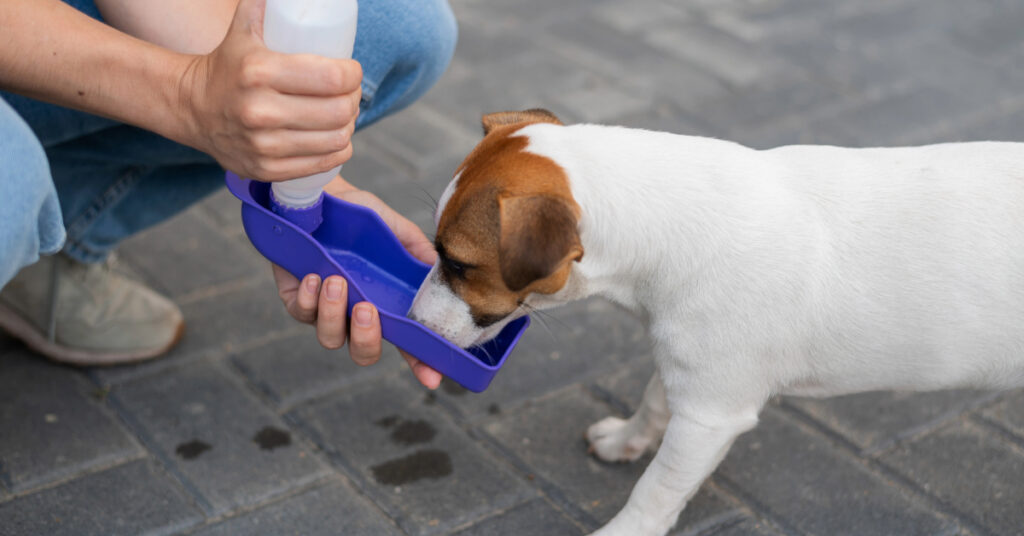
- Carry water on walks and outings — Any time your dog is active outside, bring enough fresh water for the entire outing. On warm days in South Florida, this is especially critical.
- Monitor water intake — Know how much your dog typically drinks in a day. Noticing a significant change gives you an early opportunity to call your vet before things escalate.
- Feed wet or mixed food if appropriate — Wet food has a significantly higher water content than dry kibble, and incorporating it into your dog’s diet can meaningfully increase daily hydration.
- Limit outdoor activity during peak heat hours — In Florida, the midday sun is intense. Schedule walks for early morning or evening when temperatures are cooler.
When Should I Call the Vet About Dog Dehydration?
You should call your veterinarian any time you suspect your dog may be dehydrated, even if the symptoms seem mild. Dog dehydration can be a sign of an underlying condition that needs diagnosis and treatment, not just extra water. Don’t wait to see if your dog improves on their own.
Call Park Veterinary Hospital in Fort Lauderdale right away at (954) 561-8387 if your dog has been vomiting or has had diarrhea for more than 12 to 24 hours, if they haven’t been drinking, if they seem unusually tired or weak, or if they show any of the severe symptoms listed above. For emergencies outside of regular hours, seek emergency veterinary care immediately.
Catching Dog Dehydration Early Saves Lives
Dog dehydration is a serious condition, but it’s one that attentive pet owners can often catch early by knowing what to look for. The more familiar you are with your dog’s normal behavior and water habits, the faster you’ll notice when something is off. If you ever have questions about your dog’s hydration or health, our veterinary team at Park Veterinary Hospital in Fort Lauderdale is here to help. Call us at (954) 561-8387 or book an appointment online today.