

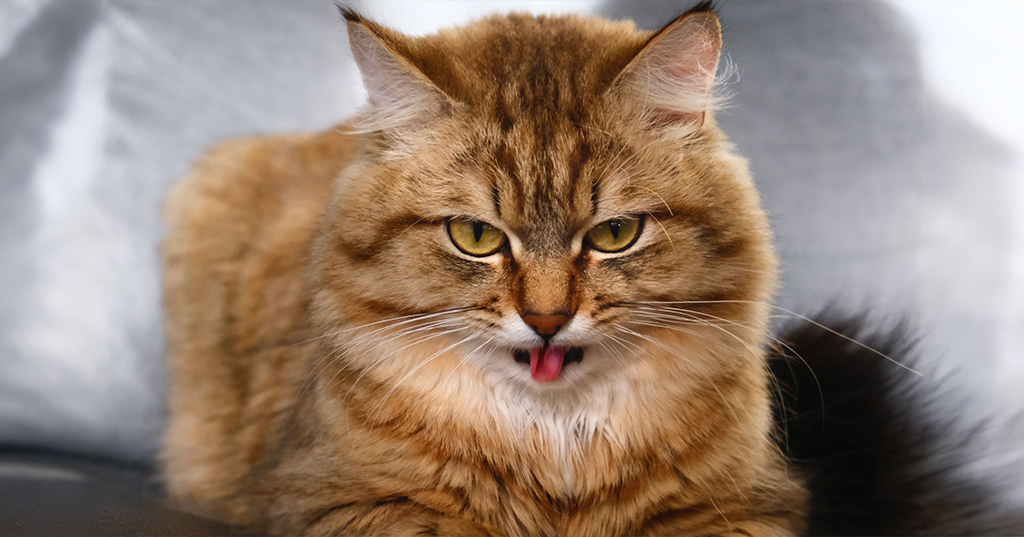
Cat wheezing most often happens because the small airways in the lungs have narrowed, and feline asthma is the leading cause. Respiratory infections, heartworm disease, allergies, airborne irritants, and growths in the airway can also create that whistling, raspy sound. Since breathing problems can worsen quickly in cats, wheezing is never something to brush off as a quirk. Many owners first mistake it for a hairball, only to learn later that their cat was struggling to move air. In South Florida, where mosquitoes carry heartworm year-round and humidity encourages mold and allergens, respiratory symptoms deserve extra attention. At Park Veterinary Hospital in Fort Lauderdale, we help cat owners figure out what’s behind unusual breathing sounds and how to bring relief. Below, we’ll explain what a wheeze sounds like, the most common causes, the signs that signal an emergency, and the steps to take if your cat starts wheezing.
What Does Wheezing in Cats Sound Like?
A wheeze is a high-pitched whistling or squeaky sound that happens as air pushes through narrowed airways.
With cat wheezing, you’ll usually hear the sound most clearly as your cat breathes out, although some cats wheeze on both inhaling and exhaling. Episodes may last a few seconds or continue for minutes at a time. Many cats with lower airway disease also cough, and a feline cough looks surprisingly similar to hairball hacking. The cat crouches low to the ground, stretches its neck forward, and makes a dry, hacking motion, but no hairball ever comes up.
Sounds That Can Be Confused With Wheezing
Not every noisy breath is a wheeze, and the type of sound gives your veterinarian useful clues about where the problem starts. Snoring or snorting noises, called stertor, usually come from the nose or throat and are common in flat-faced breeds like Persians. A harsh, high-pitched sound during inhaling, known as stridor, often points to the voice box or upper airway. Reverse sneezing produces a series of rapid, snorting inhales, and purring creates a steady rumble that stops when your cat relaxes or falls asleep.
Record It if You Can
Wheezing episodes often stop before you reach the clinic. A short video on your phone showing the sound, your cat’s posture, and how its chest and belly move can help your veterinarian identify the problem much faster. Try to capture a full episode from start to finish, and note how long it lasted and what your cat was doing right before it began.
What Causes a Cat to Wheeze?
Several conditions can make a cat wheeze, and some of them require very different treatment plans. Pinpointing the source of cat wheezing matters because the right approach for asthma looks nothing like the right approach for an infection or an airway growth.
Feline Asthma
Asthma is the most common reason for cat wheezing. When an asthmatic cat inhales a trigger such as pollen, dust, smoke, or mold, the airways become inflamed, swell, and fill with mucus. The muscles around the airways can also tighten suddenly, which narrows the passages even further. Asthma tends to appear in young to middle-aged cats, and attacks can range from mild to life-threatening.
Heartworm-Associated Respiratory Disease
Many people think of heartworm as a dog problem, but cats can be infected through a single mosquito bite. In cats, the immature worms trigger inflammation in the lungs that closely mimics asthma. Veterinarians call this heartworm-associated respiratory disease, or HARD. Because mosquitoes are active in Fort Lauderdale throughout the year, heartworm should be on the list whenever a local cat starts wheezing, even if that cat lives entirely indoors.
Allergies and Household Irritants
Some cats react to substances in their environment without having full-blown asthma. Seasonal pollen, mold spores that thrive in humid Florida homes, dust mites, cigarette smoke, scented candles, aerosol sprays, and dusty litter can all inflame sensitive airways. In these cases, cat wheezing may come and go with the seasons or flare up after a home renovation, new carpet, or change in cleaning products. Tracking when episodes happen can reveal patterns your veterinarian can use.
Infections and Less Common Causes
Viral or bacterial respiratory infections and pneumonia can cause wheezing along with fever and lethargy. Less common causes include lungworm, an inhaled foreign object, nasal or throat polyps, and tumors in the chest, which are more likely in senior cats.
When Should You Be Concerned About Your Cat’s Wheezing?
Any new cat wheezing deserves a veterinary visit, but some situations can’t wait.
Get emergency care immediately if your cat shows any of these signs:
- Breathing with an open mouth or panting
- Gums or tongue that look blue, purple, or gray
- Strong belly movements with each breath
- Sitting hunched with elbows pointed outward and neck extended
- Wheezing that doesn’t let up after several minutes
- Collapse, extreme weakness, or hiding while breathing hard
Why Cats Need Faster Attention
Cats are experts at hiding illness. By the time breathing changes become obvious, the underlying problem has often been building for a while. Unlike dogs, healthy cats almost never pant or breathe through their mouths, so seeing this in a cat signals real distress. Cat wheezing paired with any of the signs listed above should be treated as an emergency, even if your cat seemed perfectly fine an hour earlier.
When to Book a Prompt Appointment
Mild, brief episodes of cat wheezing still call for an exam within a day or two, especially if they keep happening. Schedule a visit if you notice frequent coughing that you’ve been attributing to hairballs, faster breathing while your cat is resting or asleep, reduced activity, or a drop in appetite. Your veterinarian may also ask you to count your cat’s breaths per minute while it sleeps, since a rising resting breathing rate can be an early warning sign that something in the lungs or heart has changed.
What Should You Do if Your Cat Is Wheezing?
Your first priority is to stay calm, observe closely, and get your cat to a veterinarian.
Before the Appointment
Keep your cat in a quiet, cool room and handle it gently, since stress and struggling can make breathing harder. Avoid trying to give any medication on your own, including leftover prescriptions or anything meant for people, because many common drugs are dangerous for cats.
Information that helps your veterinarian includes:
- A video of the wheezing episode
- When the sound started and how often it happens
- Any recent changes at home, such as new litter, cleaning products, or air fresheners
- Whether your cat receives monthly heartworm prevention
- Other symptoms like sneezing, coughing, weight loss, or changes in appetite
How Veterinarians Find the Cause
Diagnosing cat wheezing usually starts with a physical exam and careful listening to the lungs and heart. Your veterinarian may then recommend tests such as:
- Chest X-rays to check the airways, lungs, and heart
- Bloodwork, including tests for heartworm infection
- Fecal testing to rule out lungworm
- Airway washes that collect cells and fluid for analysis
Treatment Options
Treatment for cat wheezing depends on the cause. Cats with asthma often benefit from prescription medications that reduce airway inflammation or open narrowed airways, sometimes delivered through an inhaler with a cat-sized spacer and mask. Infections may require targeted medication, while heartworm-related disease focuses on managing inflammation and starting year-round prevention. A cat in respiratory distress may need oxygen therapy and hospitalization until breathing stabilizes. Your veterinarian will also help you identify triggers in your home, since reducing exposure to irritants plays a big part in long-term comfort.
Living Well With a Chronic Airway Condition
Asthma and allergic airway disease usually can’t be cured, but they can be controlled. Regular rechecks let your veterinarian adjust medications, monitor lung health, and catch flare-ups early. Many cats with well-managed asthma go long stretches without symptoms. The team at Park Veterinary Hospital works with owners to build plans that fit both the cat’s needs and the household’s daily routine.
Breathing Easier: Help for Wheezing Cats in Fort Lauderdale
Cat wheezing can range from a mild, occasional sound to a sign of a serious breathing emergency, and it’s often hard to tell the difference at home. Asthma, heartworm disease, infections, and airway irritants are all manageable once the cause is identified, and many cats go on to live comfortable, active lives with the right care plan.
If your cat is wheezing, coughing, or breathing differently than usual, the team at Park Veterinary Hospital is ready to help. We’ll listen to your concerns, evaluate your cat’s breathing, and recommend a plan to bring lasting relief. Call to schedule an exam, and seek emergency care right away if your cat is breathing with its mouth open or struggling for air.