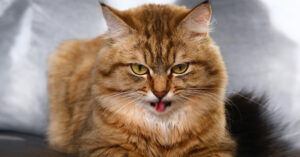

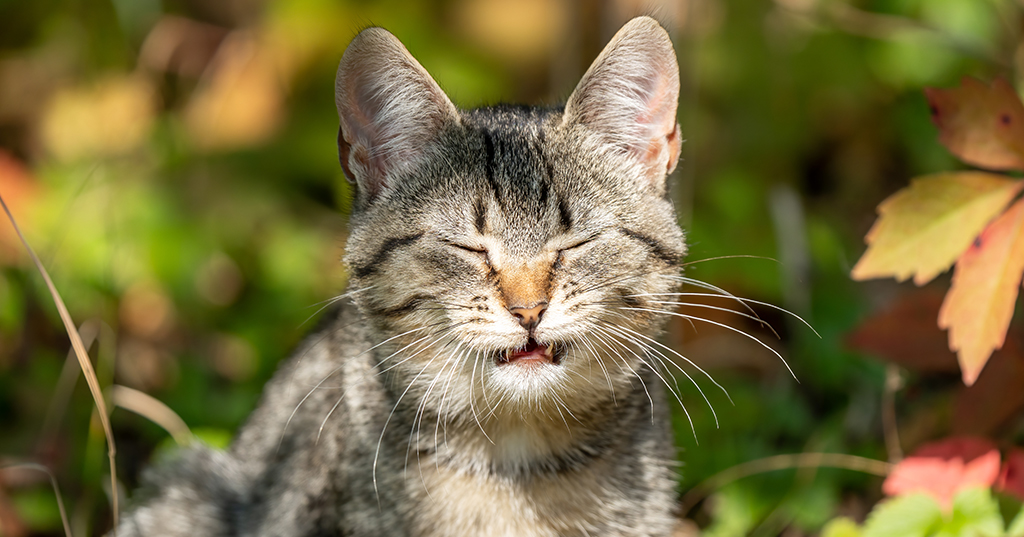
Cat sneezing is usually caused by an upper respiratory infection, an airborne irritant, or something lodged in the nose, and an occasional sneeze is completely normal. When the sneezes arrive in repeated fits, last more than a few days, or come with discharge from the eyes or nose, it’s a sign your cat needs a closer look. Cats can’t blow their noses or tell us when they feel congested, so frequent sneezing is one of the clearest ways their bodies signal that something is wrong. In Fort Lauderdale, warm weather, year-round pollen, and busy multi-cat households all play a role in respiratory symptoms. At Park Veterinary Hospital, we help cat owners sort out harmless sneezes from the kind that call for treatment. This guide covers why cats sneeze, what persistent sneezing can mean, which symptoms deserve prompt attention, how veterinarians find the cause, and what professional care involves.
Why Do Cats Sneeze?
A sneeze is a reflex that clears irritants out of the nasal passages, and every cat sneezes now and then.
Sneezing happens when something tickles the sensitive lining inside the nose. The body responds with a forceful burst of air designed to push the irritant out. A single sneeze after sniffing a dusty corner or getting a whiff of a strong scent is just the nose doing its job.
Everyday Irritants That Cause Occasional Sneezes
Many harmless triggers can set off a sneeze or two. Common culprits around the home include:
- Dusty or heavily scented cat litter
- Perfume, air fresheners, and scented candles
- Cigarette smoke or smoke from cooking
- Household cleaning sprays and powders
- Pollen drifting in through open windows or doors
- Mold spores in damp areas like bathrooms or laundry rooms
Normal Sneezing vs. Sneezing Fits
An isolated sneeze here and there, with no other symptoms, usually isn’t a concern. Sneezing fits are different. When cat sneezing comes in rapid bursts of five, ten, or more sneezes, happens several times a day, or continues for longer than a few days, there’s often an underlying problem keeping the nasal lining inflamed. Paying attention to how often your cat sneezes and whether the pattern is changing helps you decide when to involve your veterinarian.
Why Does My Cat Keep Sneezing?
Persistent cat sneezing usually points to a medical cause rather than a passing irritant.
Upper Respiratory Infections
Upper respiratory infections are the most common reason for ongoing sneezing in cats. Feline herpesvirus and feline calicivirus cause the majority of these infections, and bacteria such as Chlamydia felis and Bordetella can also be involved. These infections spread easily in shelters, catteries, boarding facilities, and multi-cat homes. Kittens and cats with weaker immune systems are especially vulnerable. With these infections, cat sneezing often shows up alongside watery eyes, a runny nose, a mild fever, and less interest in food.
Flare-Ups of Feline Herpesvirus
Once a cat contracts feline herpesvirus, the virus stays in the body for life. Many cats remain symptom-free for long periods, but stress from moving, boarding, a new pet, or illness can trigger a flare-up. That explains why cat sneezing can seem to appear out of nowhere, even in indoor cats that never leave the house.
Other Possible Causes
Less commonly, ongoing sneezing may stem from:
- Allergies to pollen, dust mites, or mold
- A foreign object, such as a blade of grass, stuck in the nasal passage
- Dental disease, especially tooth root infections in the upper jaw
- Chronic inflammation of the nose and sinuses, known as rhinitis
- Fungal infections
- Nasal polyps or, in older cats, nasal tumors
Because these causes overlap so much in appearance, cat sneezing that won’t go away is best evaluated by a veterinarian rather than watched indefinitely.
When Should You Take a Sneezing Cat to the Vet?
Some sneezing can be monitored for a day or two, but certain signs mean your cat should be seen soon.
Symptoms That Warrant an Appointment
Schedule a visit if cat sneezing lasts more than a few days or comes with yellow, green, or bloody nasal discharge. Watery or crusty eyes, squinting, or redness around the eyes also suggest an infection that may need treatment. Other red flags include lethargy, fever, mouth ulcers, drooling, or sneezing that only affects one side of the nose, which can point to a foreign object, dental problem, or growth.
Why Appetite Matters So Much in Cats
Cats rely heavily on smell to feel interested in food. A cat with a stuffy nose may stop eating simply because it can’t smell its meals. Going without food is risky for cats, since even a few days can lead to a serious liver condition called hepatic lipidosis. If your sneezing cat skips meals for more than 24 hours, call your veterinarian promptly.
Signs of an Emergency
Seek care right away if your cat breathes with an open mouth, struggles to breathe, has blue or pale gums, collapses, or has a nosebleed that won’t stop. Kittens and senior cats with sneezing and any of these symptoms can decline quickly and should be seen the same day.
How Do Vets Determine the Cause of Cat Sneezing?
Finding the reason behind cat sneezing starts with a careful exam and a detailed conversation about your cat’s history.
The Physical Exam and Your Cat’s History
Your veterinarian will check your cat’s eyes, nose, mouth, teeth, throat, and lymph nodes, and listen to the heart and lungs. They’ll also ask when the sneezing began, whether discharge is present, whether other pets are sick, and whether your cat has had any recent changes such as boarding, travel, or a new household member. Vaccine history matters too, since core vaccines help protect against the viruses most often behind respiratory infections.
Diagnostic Tests
When cat sneezing is mild and your pet is otherwise healthy, an exam may be enough to start treatment. When symptoms are severe, recurring, or unusual, your veterinarian may recommend additional testing such as PCR swabs to identify specific viruses or bacteria, bloodwork to evaluate overall health and immune status, and testing for feline leukemia virus and feline immunodeficiency virus. Dental X-rays can uncover tooth root problems affecting the sinuses. For chronic or one-sided sneezing, advanced imaging like a CT scan or rhinoscopy, in which a tiny camera examines the nasal passages, can help identify foreign objects, polyps, or tumors.
How Do Veterinarians Treat a Sneezing Cat?
Treatment for cat sneezing depends on the cause, and your veterinarian will tailor the plan to your cat’s specific diagnosis and overall health.
Treating Infections
Many viral upper respiratory infections run their course with supportive care. If a secondary bacterial infection is present, your veterinarian may prescribe antibiotics. Cats with significant eye involvement or repeated herpesvirus flare-ups may benefit from prescription eye medications or antiviral therapy. Cats that are dehydrated or refusing food may need fluids, appetite support, or hospitalization. Most cats with mild infections begin to improve within one to two weeks, and your veterinarian will explain what recovery should look like and when to schedule a recheck.
Addressing Chronic and Structural Causes
When dental disease is behind the sneezing, a professional cleaning or tooth extraction can resolve the problem. Foreign objects and nasal polyps are often removed with specialized instruments, sometimes during rhinoscopy. Cats with allergies or chronic rhinitis may need long-term management to keep inflammation under control.
Managing Cats With Recurring Symptoms
Some cats, especially those carrying feline herpesvirus, deal with cat sneezing on and off throughout their lives. For these pets, the goal shifts from a one-time cure to long-term control. Regular checkups let your veterinarian track patterns, adjust medications, and catch secondary infections early. Keeping a simple log of when flare-ups happen, along with any recent stressors like travel or houseguests, helps the team at Park Veterinary Hospital fine-tune your cat’s care over time.
Reducing Future Episodes
Keeping your cat current on core vaccines, minimizing stress, and following your veterinarian’s recommendations can lower the risk of future flare-ups. Please don’t give your cat human cold or allergy medications, as many common ingredients are toxic to cats.
Relief for Sneezing Cats in Fort Lauderdale
An occasional sneeze is part of normal cat life, but repeated sneezing fits, discharge, or a drop in appetite are signs your cat needs professional attention. The earlier a respiratory problem is diagnosed, the easier it usually is to treat, and the sooner your cat can breathe comfortably again.
If your cat’s sneezing has you concerned, the team at Park Veterinary Hospital is here to help. We’ll examine your cat, identify what’s triggering the symptoms, and recommend a treatment plan that fits your pet’s needs. Call to schedule an appointment and give your cat the care it needs to feel like itself again.